Home BusinessInvestment Precision FX Trading for Japanese Investors: Yen Volatility Modelling, Liquidity Timing, and Macro-Driven Position Structuring

Precision FX Trading for Japanese Investors: Yen Volatility Modelling, Liquidity Timing, and Macro-Driven Position Structuring

by Olufisayo

The world of foreign exchange trading can seem like a high-speed, high-stakes environment, especially for Japanese investors navigating the complexities of the yen. With its unique role as a safe-haven currency, the yen often experiences sudden swings in response to global economic events, central bank interventions, and shifts in market sentiment.

For those looking to trade yen pairs effectively, precision is paramount. Understanding volatility patterns, liquidity dynamics, and macroeconomic drivers can transform an otherwise reactive trading approach into a structured, strategic framework.

Understanding Yen Volatility and Market Drivers

Volatility is the heartbeat of FX trading, and the Japanese yen exhibits a distinctive rhythm shaped by both domestic and global forces. The Bank of Japan’s (BoJ) monetary policies, for instance, have historically been influential in setting the baseline for volatility. Periods of yield curve control or negative interest rates can suppress domestic volatility, yet paradoxically amplify sensitivity to external shocks such as U.S. Federal Reserve decisions or geopolitical tensions.

For Japanese investors, accurately modelling yen volatility is critical. This involves not just historical analysis but also scenario-based projections. Techniques like GARCH (Generalized Autoregressive Conditional Heteroskedasticity) models and implied volatility surfaces can help traders anticipate periods of heightened price swings. By combining statistical modelling with qualitative insights—such as shifts in trade balances or sudden changes in global risk appetite—investors can construct a nuanced understanding of potential movement in yen pairs.

Timing Liquidity for Optimal Execution

Even the most sophisticated volatility model is only as useful as a trader’s ability to execute positions under favorable liquidity conditions. The FX market operates 24 hours a day, but liquidity is not uniform across time zones. For the yen, peak activity typically coincides with the Tokyo session, overlapping partially with London market hours. However, liquidity can spike further during U.S. market openings when major macroeconomic data releases, such as nonfarm payrolls or CPI reports, occur.

Japanese investors must therefore develop a strategy for liquidity timing. Entering positions when bid-ask spreads are narrow, and depth of market is high, minimizes slippage and enhances execution precision. This is particularly crucial for yen crosses, where volatility can be exaggerated by sudden capital flows or algorithmic trading activity. Strategic timing not only improves trade efficiency but also allows traders to take advantage of micro-movements that might otherwise be missed during less liquid periods.

Macro-Driven Position Structuring

At the core of precision FX trading is the alignment of trades with macroeconomic realities. Japanese investors benefit from a structured approach that integrates global economic data, central bank guidance, and geopolitical considerations. For example, shifts in U.S. Treasury yields can trigger yen appreciation, as investors seek safe-haven assets amid rising uncertainty. Similarly, developments in China’s export data or European inflation readings may influence yen crosses like USD/JPY or EUR/JPY, affecting both short-term and medium-term positions.

Position structuring should also consider risk management principles. This includes defining stop-loss levels relative to volatility, scaling positions according to confidence in macro signals, and diversifying exposure across different time horizons. Combining macro-driven insights with precise entry and exit planning allows Japanese traders to build portfolios that are resilient to sudden market shocks while retaining flexibility for opportunistic adjustments.

Integrating Technology for Precision Trading

Modern FX trading for the yen is increasingly reliant on technological tools. Advanced charting platforms, algorithmic strategies, and real-time news feeds empower investors to act swiftly on evolving market conditions. For Japanese investors, leveraging these tools ensures that volatility modelling, liquidity analysis, and macro-driven positioning are not just theoretical exercises but actionable strategies.

Platforms offering integrated analytical features allow traders to overlay volatility models with liquidity heat maps, highlighting optimal trading windows. Automated alerts can signal macroeconomic events likely to influence yen movements, while execution algorithms can implement trades with minimal slippage. By combining analytical rigor with technological precision, investors can enhance both the accuracy and timeliness of their trading decisions.

Continuous Learning and Strategic Refinement

Even the most disciplined strategy benefits from ongoing review and adaptation. Japanese FX investors should routinely assess the accuracy of volatility models, the effectiveness of liquidity timing, and the relevance of macro-driven assumptions. Market dynamics evolve, central banks adjust policy frameworks, and geopolitical landscapes shift—all of which necessitate recalibration of trading approaches.

Engaging with educational resources, real-time research, and market commentary is essential for staying informed. Platforms that provide structured learning pathways can help investors deepen their understanding of complex concepts, from hedging strategies to advanced order types. Those seeking to refine their approach can click to learn more about strategic FX trading techniques tailored to Japanese investors.

Conclusion

Precision in yen trading emerges from the interplay of rigorous volatility modelling, careful liquidity timing, and structured macroeconomic positioning. Japanese investors who adopt a disciplined, research-driven approach can navigate the inherent fluctuations of FX markets with greater confidence and control. By integrating analytical tools, technology, and ongoing learning, traders can transform potential volatility from a source of risk into a driver of opportunity.

In essence, successful yen trading is not about predicting every market move but about constructing a framework that consistently aligns strategy with market realities. By mastering volatility patterns, optimizing trade execution, and structuring positions around macroeconomic insights, Japanese investors can elevate their FX trading from reactive to precise, from speculative to strategic.

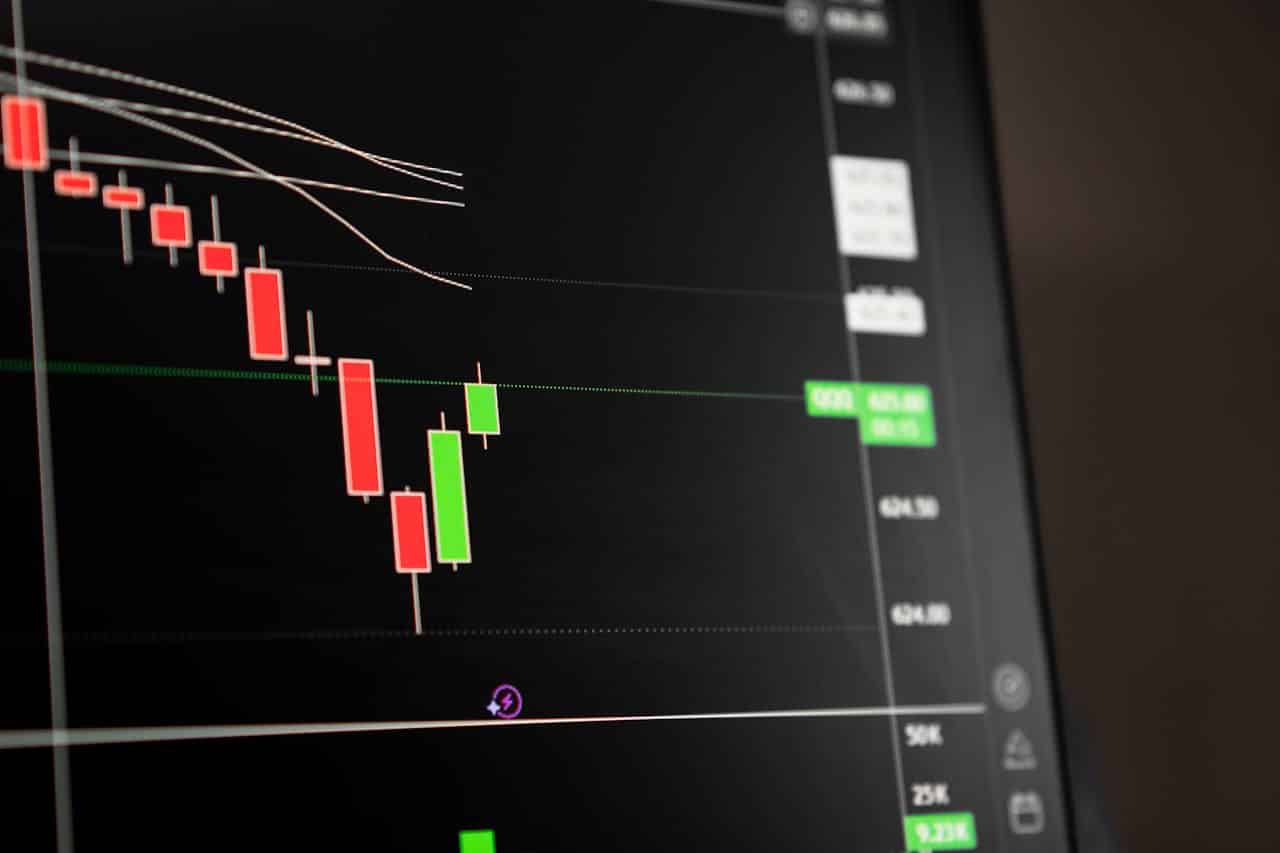
Photo by Alex Luna: https://www.pexels.com/photo/stock-market-chart-displaying-bearish-trend-35118208/

Related Articles

Leave a Comment

This site uses Akismet to reduce spam. Learn how your comment data is processed.